VPN For Remote Access
Remote Access VPN Basics
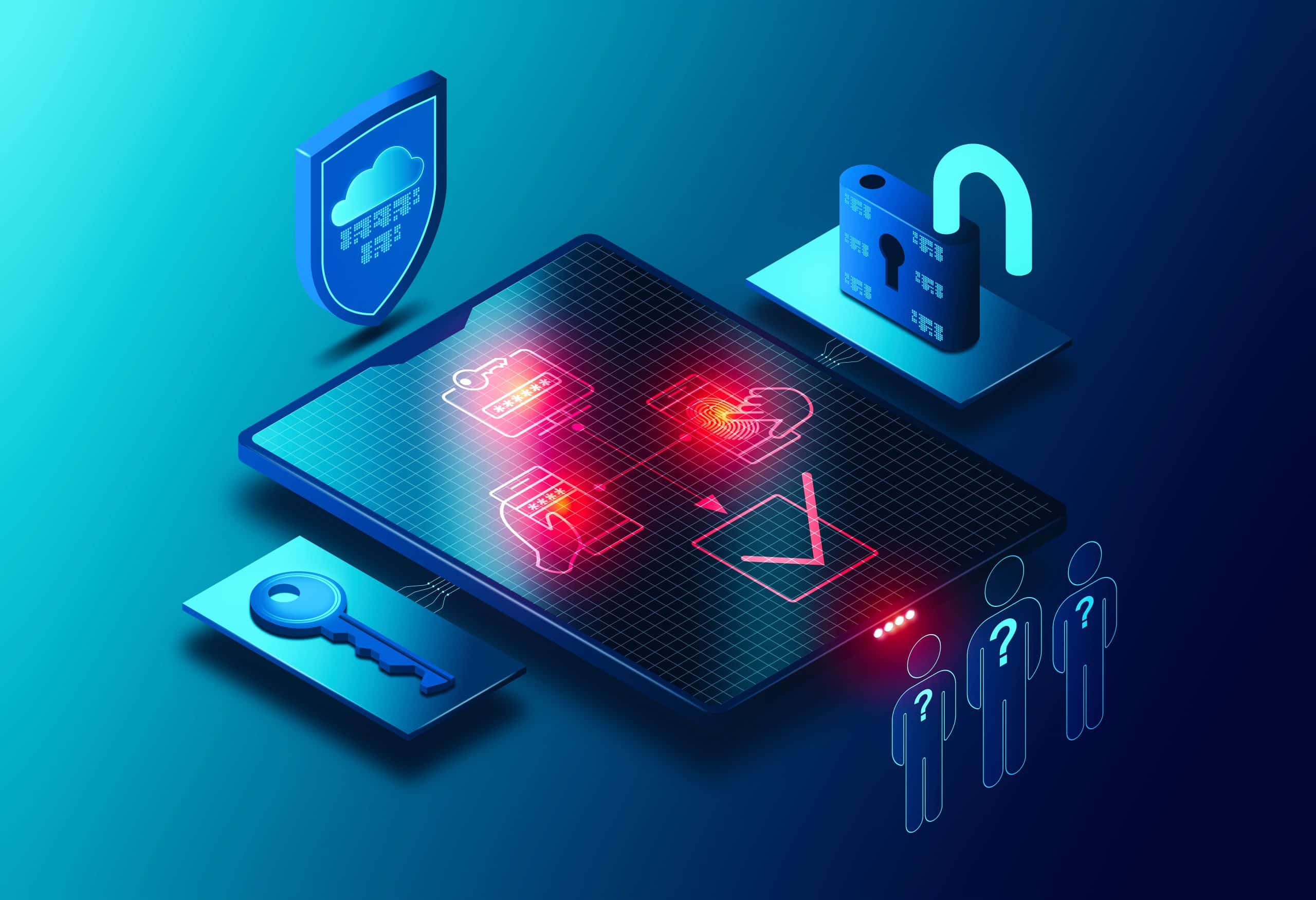
VPNs have been a staple of remote access security for decades. They work by creating a secure tunnel between a remote user’s device and the corporate network. This tunnel encrypts all traffic, making it very difficult for attackers to intercept or eavesdrop. VPNs have been with us for over 30 years since a Microsoft employee developed PPTP but have long past their best-by date. Gartner is now calling on IT and Security Executives to migrate away from VPN solutions, such as Cisco Meraki, Palo Alto, Pulse, Ivanti, and others.
Advantages of a VPN
Since 1996, VPNs have tried to provide secure remote access to corporate networks. This was especially important for businesses that had remote employees who worked from home or who traveled frequently. VPNs encrypt all traffic between the user’s device and the VPN server, which makes it much more difficult for hackers to intercept and steal data.
- Secure remote access: VPNs provide a secure way for remote users to access corporate resources, even when they are not on the corporate network.
- Easy to use: VPNs are relatively easy to set up and use. This makes them a good option for businesses of all sizes.
- Cost-effective: VPNs are a cost-effective way to secure remote access.
Existing VPN Solutions
However, Legacy VPNs also have some disadvantages, including:
- Performance overhead: VPNs can add performance overhead to remote connections. This can be a problem for users who need to access bandwidth-intensive applications.
- Hardware-based: VPNs connect back to a gateway or server that needs to be managed and kept up to date with security patches.
- Complexity: VPNs can be complex to manage. This can be a challenge for businesses with a large number of remote users.
- Single point of failure: VPNs can be a single point of failure. If the VPN server is compromised, all remote users will lose access to corporate resources.
Zero Trust + Personal SD-WAN = Personal SASE
Zero trust is a security model that assumes that no user or device is inherently trusted. Instead, all access to resources is verified and authorized on a per-request basis. This makes it much more difficult for attackers to gain access to corporate resources, even if they have compromised a user’s device or account.
CloudBright’s Personal SASE service is a zero trust-based approach to remote access vs VPNs. Personal SASE uses a combination of technologies, including software-defined perimeter (SDP), micro-segmentation, and identity and access management (IAM), to provide a secure and scalable way to access corporate resources from anywhere.
Personal SASE offers a number of advantages over legacy VPNs:
- Better security: Personal SASE is a zero-trust solution, which means that it is much more secure than traditional VPNs.
- Better performance: Personal SASE does not add as much performance overhead as traditional VPNs. This means that users can access corporate resources with minimal latency.
- Simplified management: Personal SASE is much easier to manage than traditional VPNs. This is because Personal SASE uses a single pane of glass for management.
- Scalability: Personal SASE is highly scalable. This means that it can be easily adapted to meet the needs of businesses of all sizes.
Best Remote Access VPN
Zero Trust and Personal SD-WAN make Internet connectivity faster by reducing the amount of traffic that has to travel through the corporate network. With zero trust, only the traffic that is actually needed to access a resource is allowed to pass through the network. This means that there is less traffic to slow down the network.
Personal SD-WAN allows remote users to connect to the internet directly, bypassing the corporate network altogether. This can also improve internet performance, especially for users who are located in remote areas with poor internet connectivity. It also delivers preemptive and accelerated packet recovery that mitigates against packet loss on the user’s Wi-Fi network and ISP connection where 95% of the remote users’ issues come from.
Cloudbrink vs Legacy VPN Benchmarks
Critical to the success and adoption of CloudBrink’s VPN Replacement has been client and partner-led benchmarking tests with remarkable results. When tested by a Fortune 500 and Global Media and Gaming Corporation that needed high Quality of Service (QoS), Security, and Speed for Remote workers like their game developers accessing large code repositories – CloudBrink was tested against a number of legacy VPN providers and came out tops – recording speeds faster than a control benchmark with NO VPN. Later this quarter we’ll be publishing two more sets of test results.
Further VPN Alternative Reading
VPNs are a good option for remote access security, but they have some limitations. Zero trust and Personal SASE are more secure and scalable alternatives to VPNs. They can also make internet access faster by reducing the amount of traffic that has to travel through the corporate VPN network.